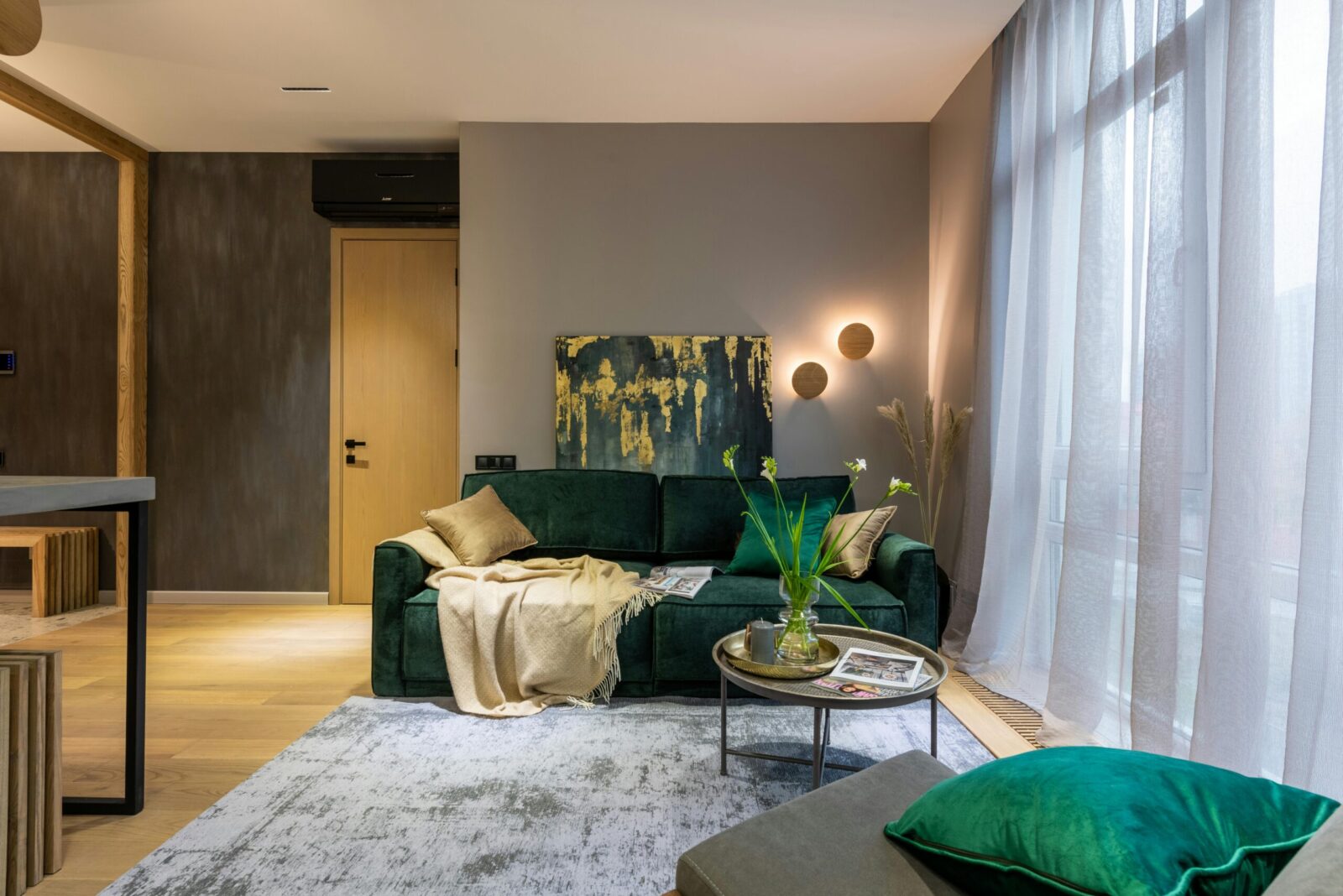
The sofa is the centerpiece of most living rooms, family rooms, and open-concept great rooms in American homes. Choosing the right one can transform how your space looks, feels, and functions for years to come. In 2026, sofas emphasize comfort-driven designs, flexibility, and livable luxury — with trends leaning toward modular configurations, curved silhouettes, performance fabrics, and relaxed, lounge-ready profiles.
This in-depth guide walks you through everything you need to know: current trends, key factors to consider, room-by-room advice, measurement tips, fabric and style recommendations, and a practical checklist tailored for US homeowners.
Why Choosing the Right Sofa Matters in 2026
A well-selected sofa:
- Anchors your room’s layout and style
- Supports daily life — from movie nights and family gatherings to remote work lounging
- Influences comfort, durability, and maintenance (especially important for families and pet owners)
- Boosts resale value when it fits the scale and aesthetic of your home
- Adapts to evolving needs in flexible, open-concept spaces
With rising emphasis on sustainability and multi-functionality, today’s best sofas balance beauty with real-life performance.
Top Sofa Trends Defining 2026 in US Homes
Designers highlight these key directions:
- Modular & Configurable Sofas: Reconfigurable sections that adapt to changing layouts or moves.
- Curved and Organic Silhouettes: Soft, flowing lines instead of rigid boxy shapes for a more inviting feel.
- Relaxed, Low-Slung Profiles: Lounge-driven designs with deep seats and oversized cushions for cloud-like comfort.
- Performance Fabrics: Stain-resistant, pet-friendly, and easy-clean materials (bouclé, corduroy, velvet alternatives).
- Textured & Tactile Upholstery: Bouclé, corduroy, linen blends, and subtle patterns for visual and sensory interest.
- Slipcovered or Skirted Looks: Casual elegance with washable covers for families.
- Sustainable & Custom Options: Eco-friendly foams, recycled fabrics, and made-to-order sizing.
- Occasional/Statement Sofas: Bold colors or unique shapes as focal points in otherwise neutral rooms.
These trends prioritize comfort and adaptability while maintaining modern appeal.
Key Factors to Consider When Choosing a Sofa
1. Measure Your Space First (The Most Important Step)
- Measure the wall or area where the sofa will sit (use the 2/3 rule: sofa should occupy about two-thirds of the wall length for balanced proportions).
- Note doorways, hallways, stairs, and elevators for delivery — record the sofa’s boxed dimensions.
- Allow 30–36 inches of clearance for walkways and traffic flow.
- Consider ceiling height and sight lines to windows or fireplaces.
Standard Size Guidelines:
- Loveseat: 50–70 inches wide (small spaces or secondary seating)
- 3-Seater Sofa: 70–90 inches wide (most living rooms)
- Sectional: 100–140+ inches (open concepts or large families)
- Depth: 32–40+ inches (deeper for lounging)
2. Assess Your Lifestyle and Needs
- Family with kids/pets? Prioritize durable, stain-resistant performance fabrics and removable covers.
- Entertaining? Choose modular or sectional for flexible seating.
- Small apartment? Opt for slim arms, apartment-sized sofas, or multi-functional pieces (sleeper or storage).
- Home office overlap? Look for deep seats that double as lounging spots.
3. Determine Style and Scale
Match the sofa to your overall room aesthetic (modern minimalist, cozy farmhouse, mid-century, etc.). Use it as the dominant style (60–70%) and layer accents around it.
4. Test Comfort in Person
Sit, lounge, and recline. Check seat depth (ideal 20–24 inches from front to back), cushion firmness, and back support. Look for high-resiliency foam or pocket-coil options.
5. Choose Frame, Cushions, and Legs
- Frame: Kiln-dried hardwood or engineered wood for durability.
- Cushions: Down-blend or high-density foam with zip-off covers for longevity.
- Legs: Hidden or exposed in wood/metal; raised legs make rooms feel larger.
Best Sofa Styles for Different Rooms and Spaces
Living Room / Great Room (Open-Concept)
- Top Choice: Modular sectional or large curved sofa.
- Why: Adapts to TV viewing, conversation, and flow.
- Trend Match: Low-slung with bouclé or performance fabric in warm neutrals.
Small Living Rooms or Apartments
- Top Choice: Loveseat, apartment-sized sofa (under 80 inches), or slim-arm designs.
- Why: Prevents the room from feeling cramped.
- Tip: Use light colors and raised legs to enhance openness.
Family Rooms with Kids & Pets
- Top Choice: Sectional with washable slipcovers or performance upholstery.
- Why: Durable and easy to reconfigure for play or movie nights.
Formal Living or Dining Adjacent Spaces
- Top Choice: Tailored 3-seater with elegant curves or slipcovered style.
- Why: Adds sophistication without sacrificing comfort.
Home Office or Multi-Use Areas
- Top Choice: Sleeper sofa or compact modular with storage.
- Why: Provides flexible seating and occasional guest accommodation.
Fabric and Upholstery Recommendations for 2026
- Performance Fabrics (top pick for most US homes): Crypton, Sunbrella, or similar — stain-, fade-, and pet-resistant.
- Bouclé & Textured Weaves: Soft and trendy but pair with performance backing.
- Linen Blends: Breathable and casual for warmer climates.
- Velvet Alternatives: Luxe look with better durability.
- Leather or Faux Leather: Easy clean but can feel cold; great for modern looks.
Color Tip: Neutral bases (greige, taupe, warm beige) allow easy accent updates. Add personality with pillows or throws.
Budget and Quality Considerations
- Entry-Level ($800–$2,000): Ready-to-ship from Wayfair, Article, or IKEA — good for first homes.
- Mid-Range ($2,000–$4,000): Customizable options from West Elm, Burrow, or HERNEST with better frames and fabrics.
- Premium ($4,000+): American-made or high-end brands with lifetime warranties and sustainable materials.
Investment Tip: Spend more on the frame and cushions — they last 10–15+ years. Fabric can be updated later.
Step-by-Step Checklist: How to Choose the Right Sofa
- Measure your room and delivery paths thoroughly.
- Define your primary use (lounging, entertaining, sleeping).
- Decide on configuration (straight, sectional, curved, modular).
- Select style and fabric that complement your existing pieces.
- Test in-store or order samples/swatches.
- Check warranty, return policy, and assembly/delivery details.
- Visualize with room photos or design apps before purchasing.
Pro Tip: Take photos and measurements when shopping. Many retailers offer free swatches or virtual room planners.
Common Mistakes to Avoid
- Buying without measuring (too big is the #1 regret).
- Choosing style over comfort or durability.
- Ignoring fabric performance for high-traffic homes.
- Selecting a sofa that floats in the middle of the room without proper scale.
- Skipping the 2/3 wall rule, which can make the room feel unbalanced.
Conclusion: Find the Perfect Sofa for Your 2026 Home
Choosing the right sofa is about balancing scale, comfort, durability, and style while aligning with your lifestyle and current trends like modular flexibility, curved lines, and performance materials. Whether you need a cozy loveseat for a small apartment or a sprawling sectional for family gatherings, taking time to measure, test, and plan will ensure your sofa becomes a beloved centerpiece for years.
Start today: Measure your space, identify your must-haves, and explore trending options from trusted retailers. The perfect sofa will make your home feel more inviting, functional, and uniquely yours.
FAQs About Choosing a Sofa in 2026
What sofa style is most popular right now?
Modular sectionals and curved, low-slung lounge sofas lead in 2026 for their flexibility and comfort.
How do I know what size sofa to buy?
Follow the 2/3 rule for wall length and leave at least 30 inches for traffic flow. Always measure delivery paths first.
Are performance fabrics worth the extra cost?
Yes — especially for homes with kids, pets, or heavy use. They resist stains and wear far better than standard upholstery.
Should I buy a sectional or a straight sofa?
Choose sectional for open or large spaces; a straight sofa works better in smaller or formal rooms.
How long should a good sofa last?
Quality sofas with solid frames and high-density cushions typically last 10–15 years or more with proper care.
Ready to upgrade? Invest thoughtfully in your sofa and enjoy a more comfortable, stylish living space every day!