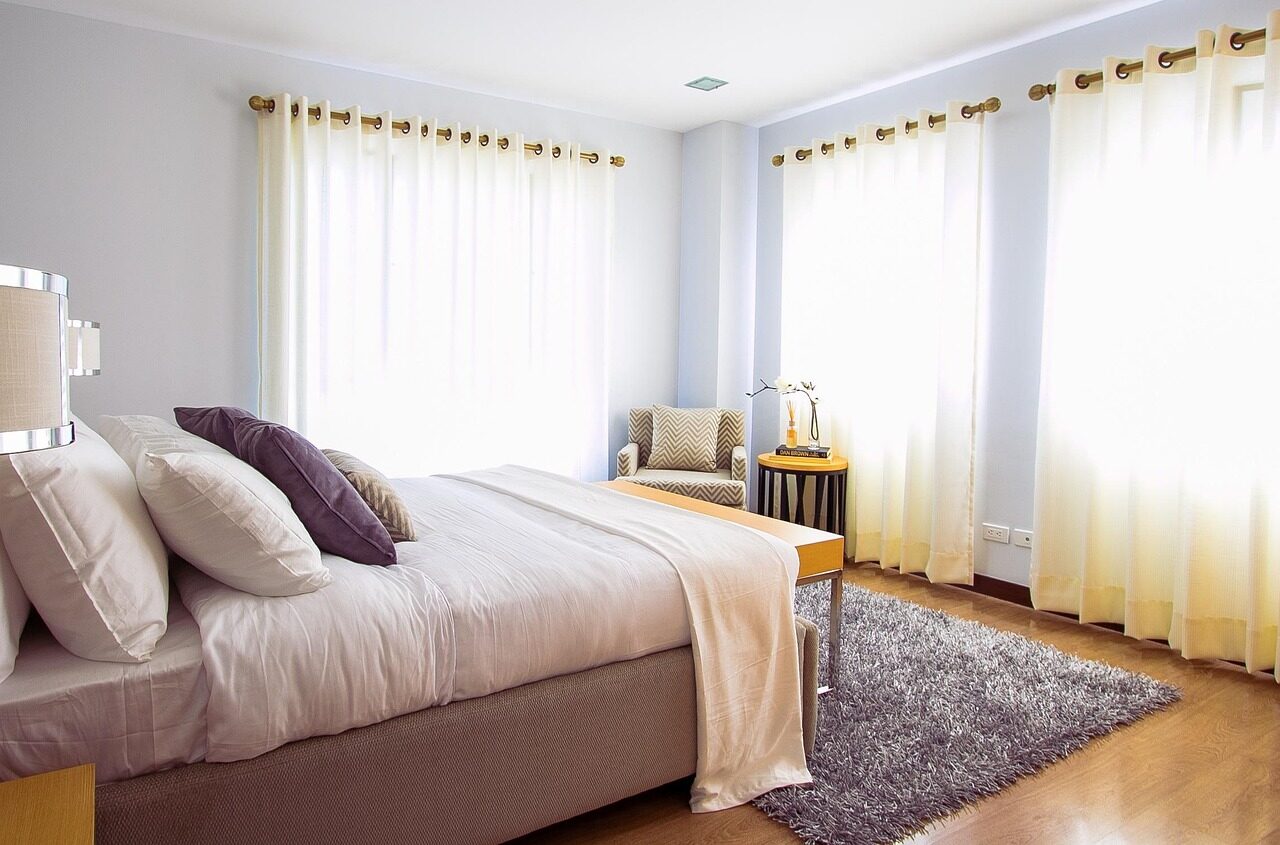
Mixing and matching furniture styles has become one of the most popular interior design trends in modern US homes. Gone are the days of strict matching sets—today’s homeowners are confidently blending mid-century modern with farmhouse, contemporary with vintage, and industrial with bohemian to create unique, personality-filled spaces.
This in-depth, SEO-friendly guide will walk you through how to mix and match furniture styles successfully. You’ll learn proven rules, color and texture strategies, room-by-room tips, common mistakes to avoid, and practical shopping advice tailored for American homes in 2026.
Whether you’re furnishing a new suburban build in Texas, refreshing a city apartment in New York, or updating a cozy Midwest home, mastering the art of mixing styles will help you achieve a curated, high-end look without the high-end price tag.
Why Mixing Furniture Styles Works So Well in 2026
Modern American interiors favor personality over perfection. Open-concept floor plans, neutral base palettes, and a desire for homes that feel lived-in and collected are driving the trend. Mixing styles:
- Adds visual interest and depth
- Reflects your personal story and travels
- Makes smaller spaces feel larger and more dynamic
- Increases resale appeal by showing thoughtful design
- Allows budget-friendly shopping (thrift, vintage, and new pieces together)
The secret? Intentional contrast with unifying elements. When done right, eclectic rooms feel intentional and sophisticated rather than chaotic.
Core Principles: How to Mix and Match Furniture Styles Successfully
Follow these foundational rules to create harmony while embracing variety:
1. Choose a Dominant Style (The Anchor)
Pick one style to serve as the foundation—usually 60-70% of the room.
Popular anchors in 2026: Modern minimalism, Scandinavian, or relaxed modern farmhouse.
Everything else becomes an accent that plays off this base.
2. Use a Cohesive Color Palette
Limit your main colors to 3–5 tones.
- Neutral base (whites, grays, beiges, warm taupes)
- One or two accent colors
- Metallics or wood tones as connectors
Warm neutrals with black accents remain hugely popular for balancing cool modern pieces with warmer traditional ones.
3. Repeat Materials and Textures
Materials create visual threads:
- Wood tones (light oak + dark walnut)
- Metals (brass, matte black, brushed nickel)
- Fabrics (linen, velvet, leather, bouclé)
- Natural elements (rattan, stone, ceramic)
Repeat at least 2–3 materials across different styles for cohesion.
4. Balance Scale and Proportion
Mix large statement pieces with smaller supporting ones.
Example: A chunky mid-century sofa + slim contemporary coffee table + vintage side chairs.
5. Incorporate Transitional Pieces
“Bridge” items like simple linen sofas, neutral rugs, or clean-lined dining tables help different eras speak to each other.
6. Add Unexpected Contrast
The magic happens in thoughtful clashes—e.g., a sleek glass-and-metal console next to an ornate antique mirror, or a velvet tufted ottoman with industrial metal legs.
Popular Furniture Style Combinations That Work Beautifully
Here are winning pairings dominating US homes right now:
- Mid-Century Modern + Farmhouse: Clean lines with warm woods and shiplap textures
- Contemporary + Vintage: Sleek sofas paired with reclaimed wood tables and antique lighting
- Modern + Traditional: Minimal sofas with classic wingback chairs or Persian rugs
- Industrial + Bohemian: Exposed brick, leather, and metal mixed with macramé, rattan, and global textiles
- Scandinavian + Eclectic: Light woods and minimal forms with colorful global accents and bold art
Pro Tip: Aim for “high-low” mixing—expensive designer pieces alongside affordable IKEA or thrift finds.
Room-by-Room Guide: How to Mix and Match Furniture Styles
Living Room
Start with a modern sectional or clean sofa as anchor.
Add: Vintage armchairs, a sculptural coffee table, layered rugs (one neutral jute + one patterned), and mismatched side tables.
Unifiers: Same wood tone on legs, repeated black or brass hardware, consistent throw pillows.
Dining Room
Use a simple modern or farmhouse table.
Mix chairs: Two matching modern end chairs + four vintage or upholstered side chairs.
Add a statement chandelier and a rustic sideboard or sleek credenza.
Bedroom
Begin with a platform bed in a neutral style.
Mix: Mid-century nightstands, a traditional dresser, and contemporary wall sconces.
Layer with global textiles, a vintage bench at the foot of the bed, and modern art.
Home Office
Combine a sleek modern desk with a classic leather chair and bohemian rug.
Add open shelving in mixed materials and plenty of plants for softness.
Entryway / Foyer
A slim modern console + antique mirror + industrial stool + woven basket creates instant personality.
Textures, Patterns, and Accessories: The Glue That Holds It Together
- Textures: Combine smooth (leather, glass) with rough (bouclé, linen, wood grain) and soft (velvet, wool).
- Patterns: Limit to 2–3. Use scale variation—one large (e.g., bold geometric rug), one medium (pillows), one small (subtle prints).
- Accessories: Books, ceramics, candles, and collected objects from travels tie everything together. Group in odd numbers (3 or 5) and vary heights.
Common Mistakes to Avoid When Mixing Furniture Styles
- Too many competing styles — More than 4 distinct styles usually feels messy.
- Ignoring scale — All small pieces or all oversized creates imbalance.
- Matching everything perfectly — This kills personality.
- Forgetting negative space — Rooms need breathing room between pieces.
- Clashing undertones — Mixing cool gray modern with warm yellow-toned traditional woods.
- Rushing the process — Collect pieces gradually; live with the room and adjust.
Practical Shopping Tips for Mixing Styles in US Homes
- Thrift & Vintage: Facebook Marketplace, Habitat for Humanity ReStores, estate sales.
- Affordable New: IKEA, Target, Wayfair, Article, West Elm.
- Mid-Range & Designer: CB2, Crate & Barrel, Anthropologie, Design Within Reach.
- Online Tools: Use Pinterest boards or apps like Havenly or Modsy for virtual testing.
- Measure First: Always bring room dimensions and photos when shopping.
- Test in Person: Sit on sofas, open drawers—scale and comfort matter.
Budget Hack: Invest in big-ticket items (sofa, bed) in timeless styles, then experiment with smaller, cheaper accent pieces.
Final Thoughts: Create a Home That Tells Your Story
Learning how to mix and match furniture styles is about confidence and curation, not chaos. By anchoring with one dominant style, repeating materials and colors, balancing scale, and adding thoughtful contrast, you can create a home that feels collected over time—exactly what buyers and guests love in 2026.
Start small: Pick one room, choose your anchor style, and introduce just two contrasting pieces. Step back, live with it, and refine. Over time, your space will evolve into a beautiful reflection of your personality.
FAQs About Mixing and Matching Furniture Styles
How many different styles can I mix in one room?
Usually 3–4 maximum. One dominant, one secondary, and 1–2 accents.
What is the easiest way to start mixing styles?
Begin with a neutral modern base and slowly add vintage or traditional accents.
Can I mix modern and antique furniture?
Absolutely—modern pieces actually make antiques feel fresh and vice versa.
Should all wood tones match?
No. Mix light and dark woods, but keep undertones similar (warm with warm, cool with cool).
Is mixing styles still popular in 2026?
Yes—more than ever. Eclectic, collected looks continue to dominate design magazines and real estate listings.
Ready to transform your space? Embrace contrast, trust your eye, and enjoy the process of creating a home that’s uniquely yours. Happy decorating!